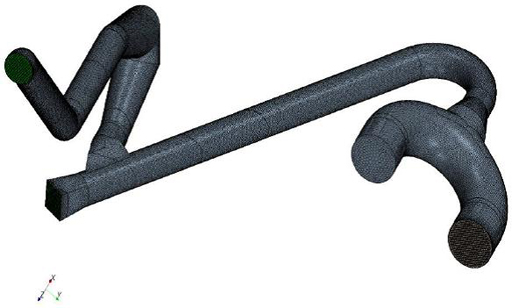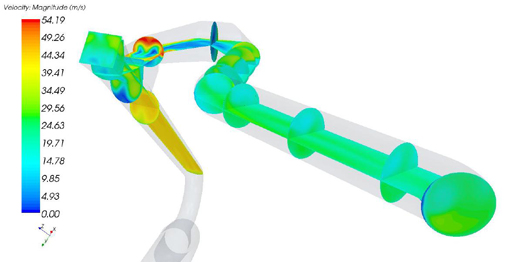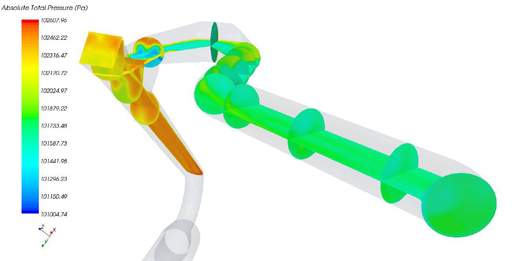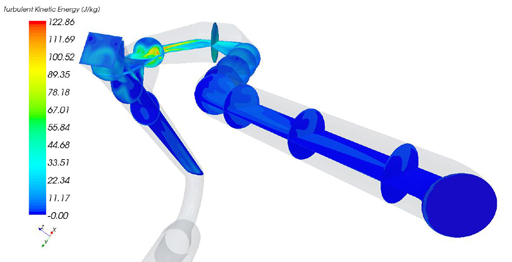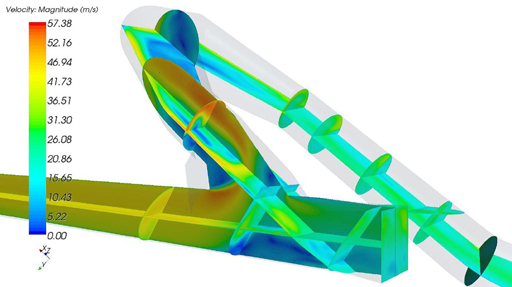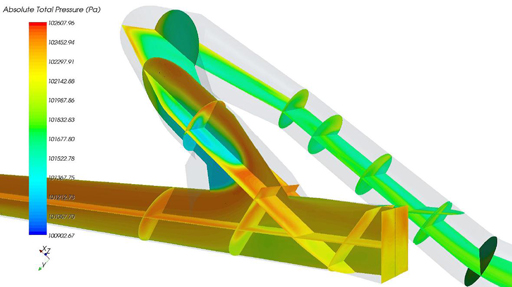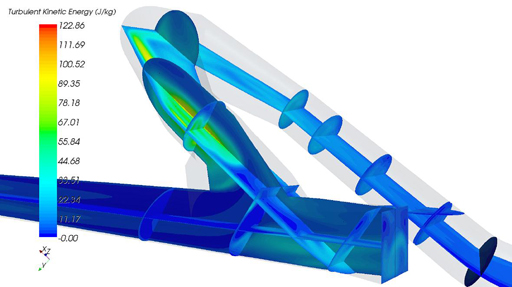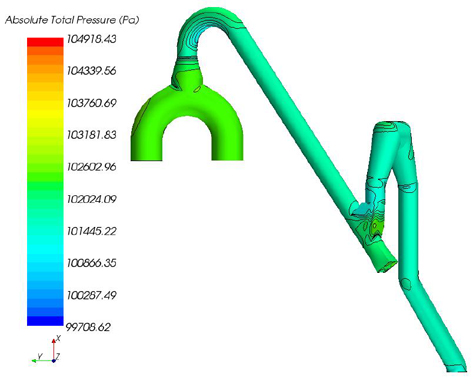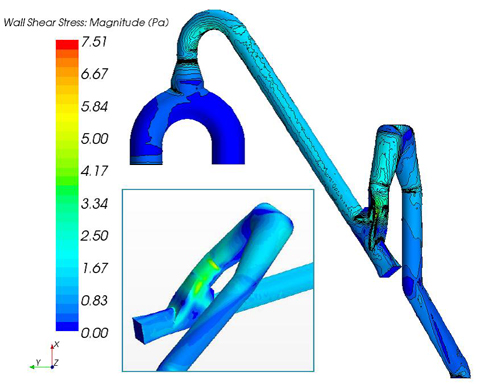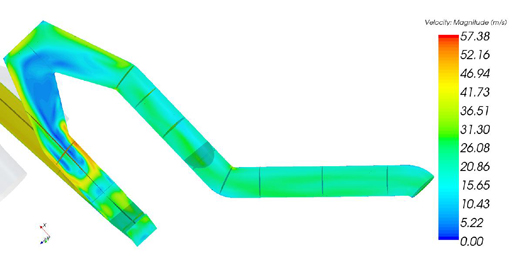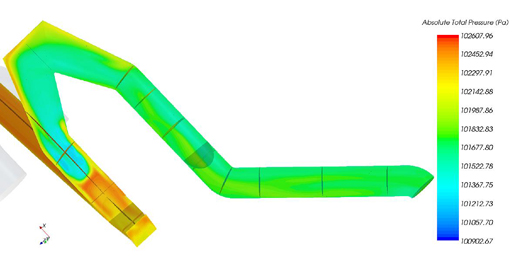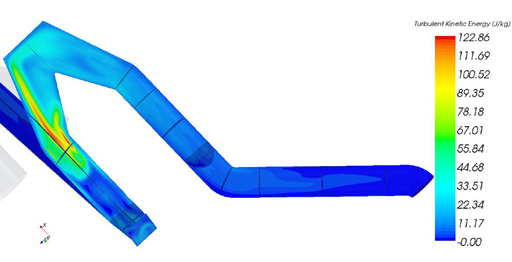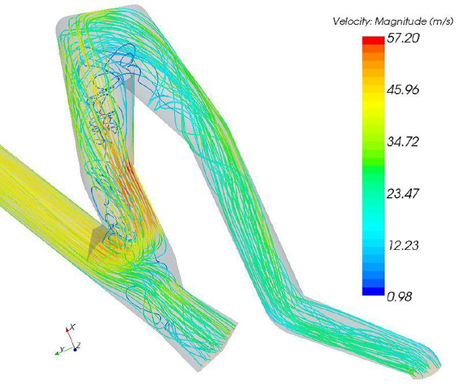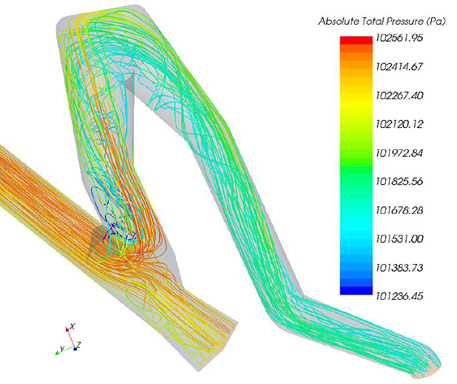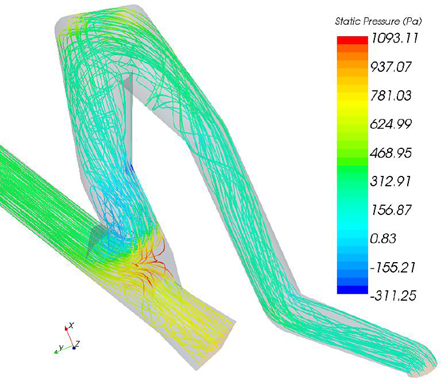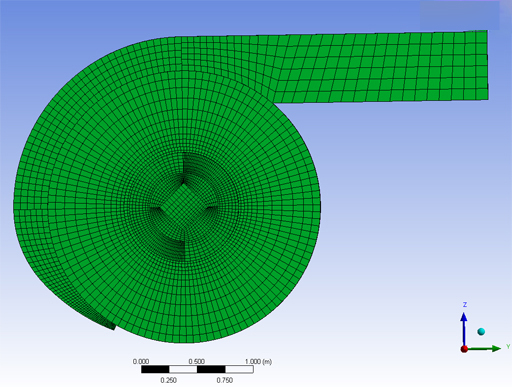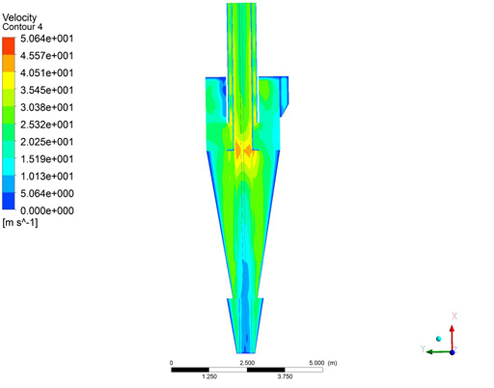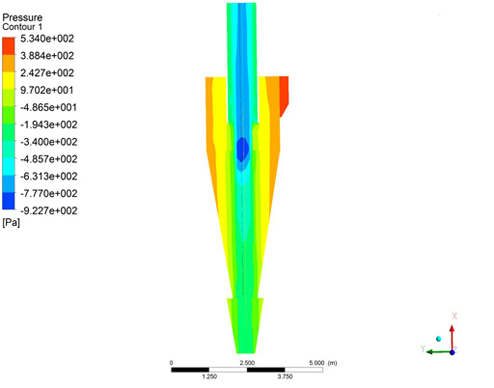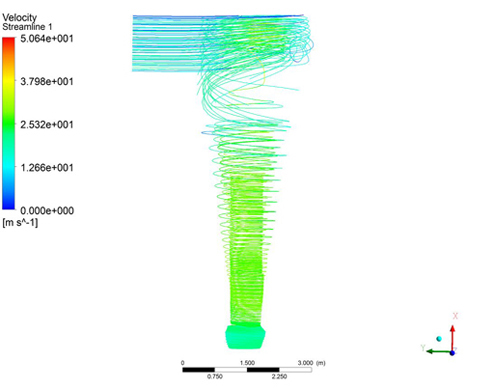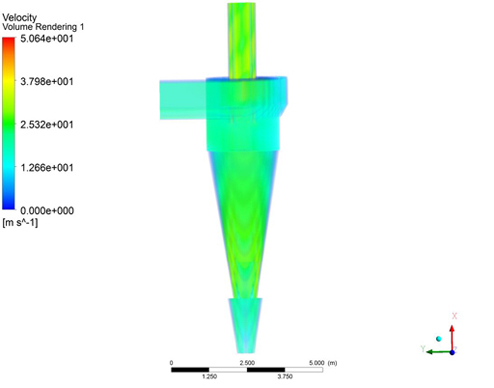
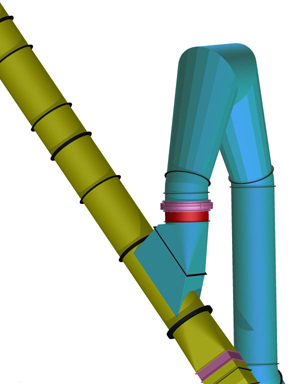
CFD uses numerical methods to predict fluid flow and related physical processes within a defined geometry. It provides detailed insight into flow and temperature distributions that can be difficult to capture with plant measurements alone.
How CFD supports engineering
- Visualize three-dimensional flow and temperature fields.
- Compare designs and operating conditions before making physical changes.
- Identify opportunities to improve equipment design and operation.
- Support more focused research, development, and testing.
Model assumptions, input data, and comparison with available plant measurements are important when interpreting results.
Explore duct, cyclone, calciner, and kiln applications and water spray, fabric filter, SNCR, and burner applications. The video illustrates modeled tire-chip motion in a calciner, colored by speed.