Potential benefits depend on plant conditions and the changes implemented.
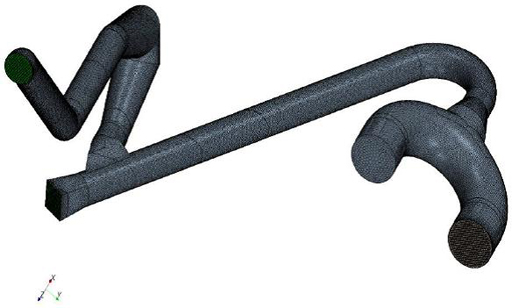
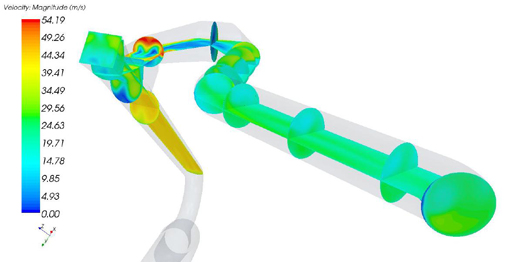
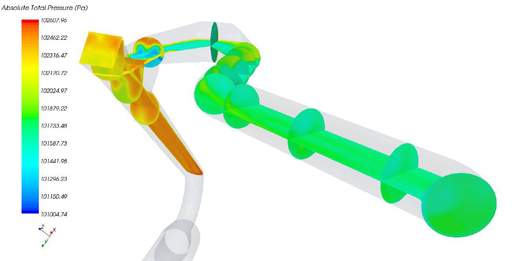
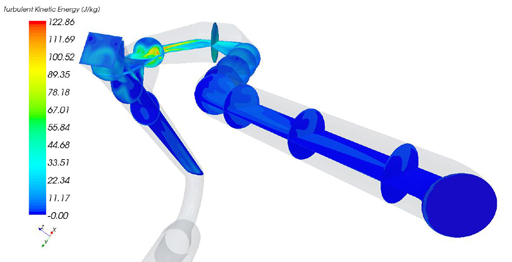
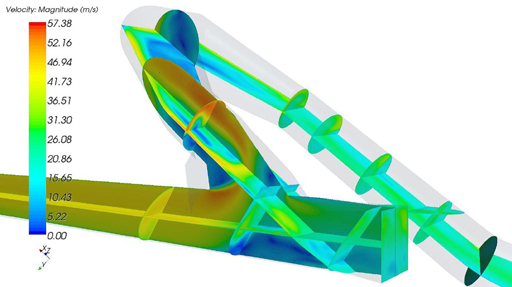
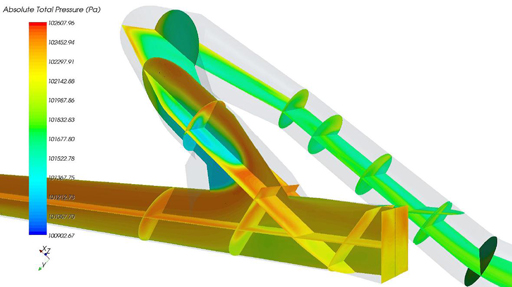
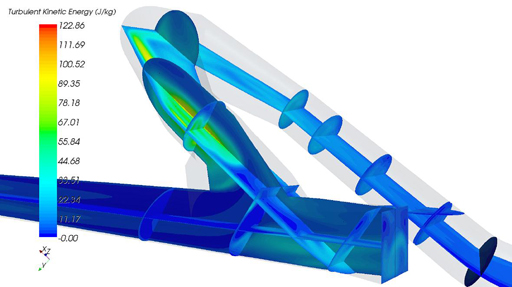
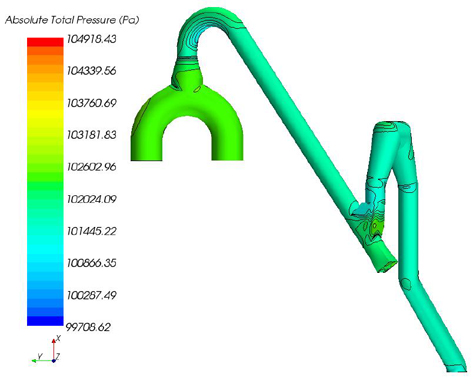
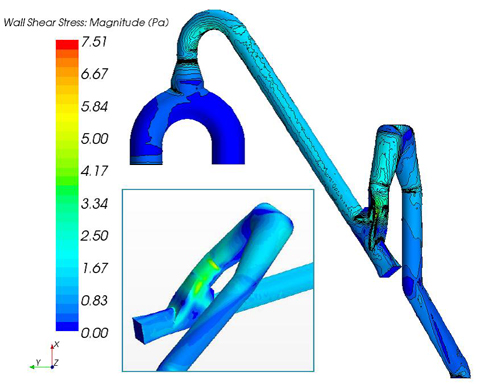
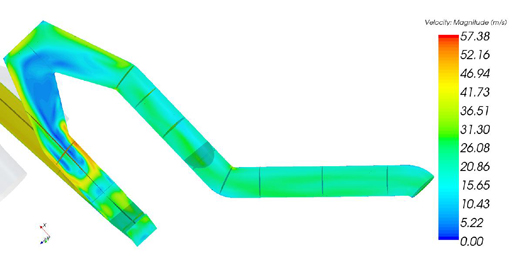
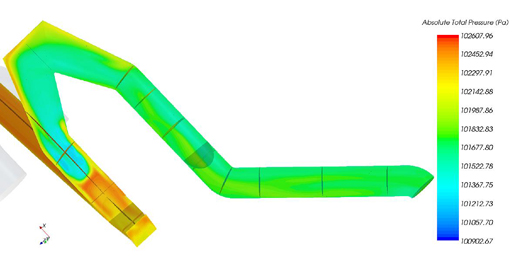
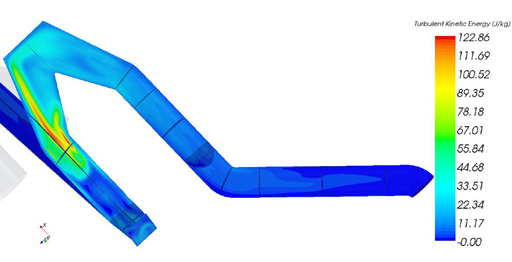
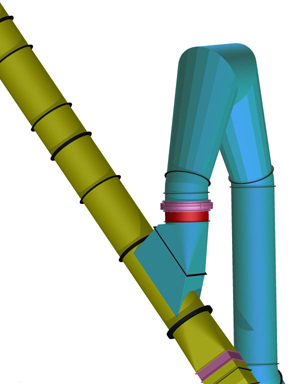
Gas duct modeling
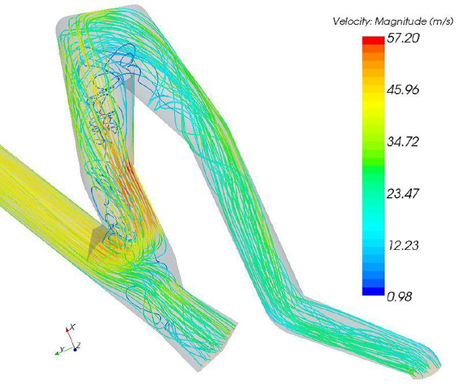
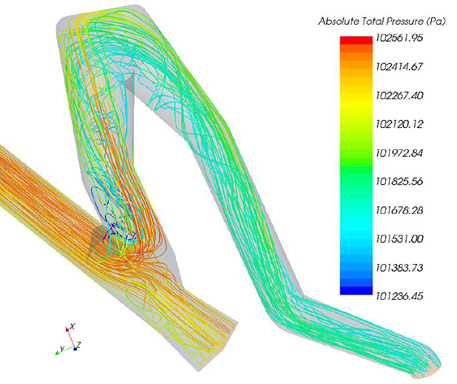
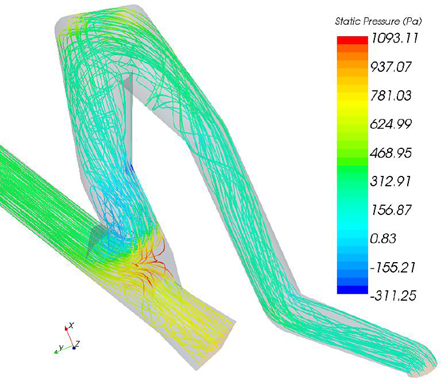
Evaluate duct arrangements, geometry, and gas mixing.
- Reduce pressure drop, erosion, and material buildup.
- Improve flow distribution and the inlet conditions of mills, fabric filters, and fans.
- Improve mixing of gas streams at different temperatures.
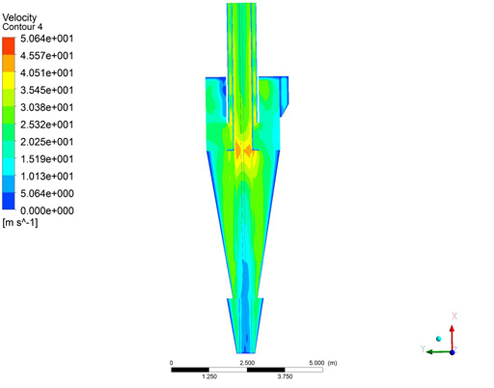
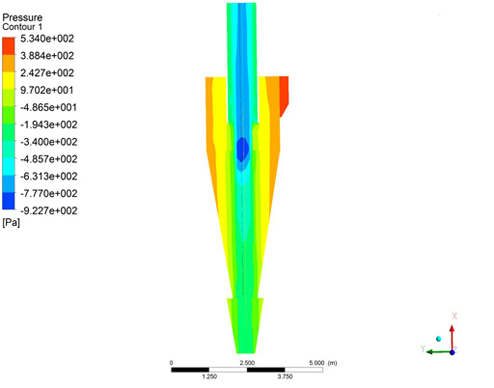
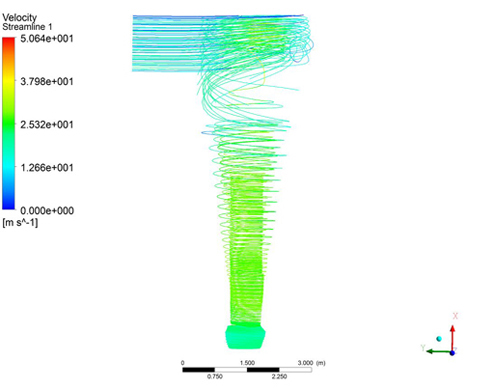
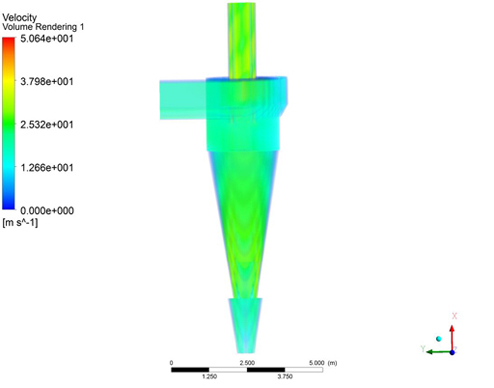
Cyclone modeling
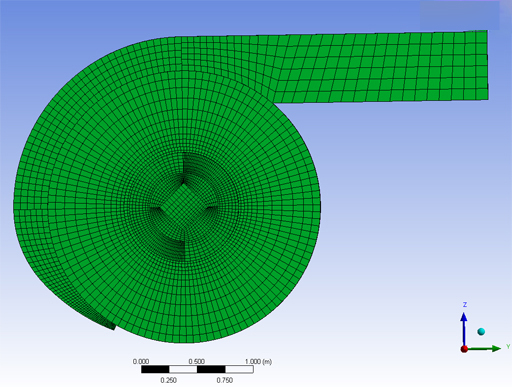
Assess cyclone geometry and gas–particle flow.
- Improve particle collection efficiency.
- Evaluate pressure drop and wear.
- Understand internal flow and separation behavior.
Calciner modeling
Evaluate burner locations and settings, SNCR lance positions, material distribution, and calciner geometry.
- Improve combustion and alternative fuel utilization.
- Identify opportunities to reduce specific fuel consumption and increase production.
- Improve process stability and raw meal distribution.
- Evaluate pressure drop, material buildup, and refractory exposure.
- Assess NOₓ, CO at the calciner exit, and SNCR reagent consumption.
Kiln modeling
Evaluate kiln hood geometry, burner design, fuel fineness, and heat transfer.
- Improve combustion and heat transfer.
- Assess refractory exposure and potential causes of premature damage.
- Develop a better understanding of kiln operation.